For a Thriving Triangle

One in three people in the Triangle can't afford to live here. A year-end gift helps more of our neighbors get ahead.

Who can't afford
to live in the
Triangle?

The people who can’t afford to live here include households below the poverty line and ALICE households, who earn more but still can't cover the basics.

Three out of four of these neighbors are working, sometimes at two jobs. One missed paycheck could put their family in crisis.

THEY COULD BE

Your mail
carrier

Your child's
teacher

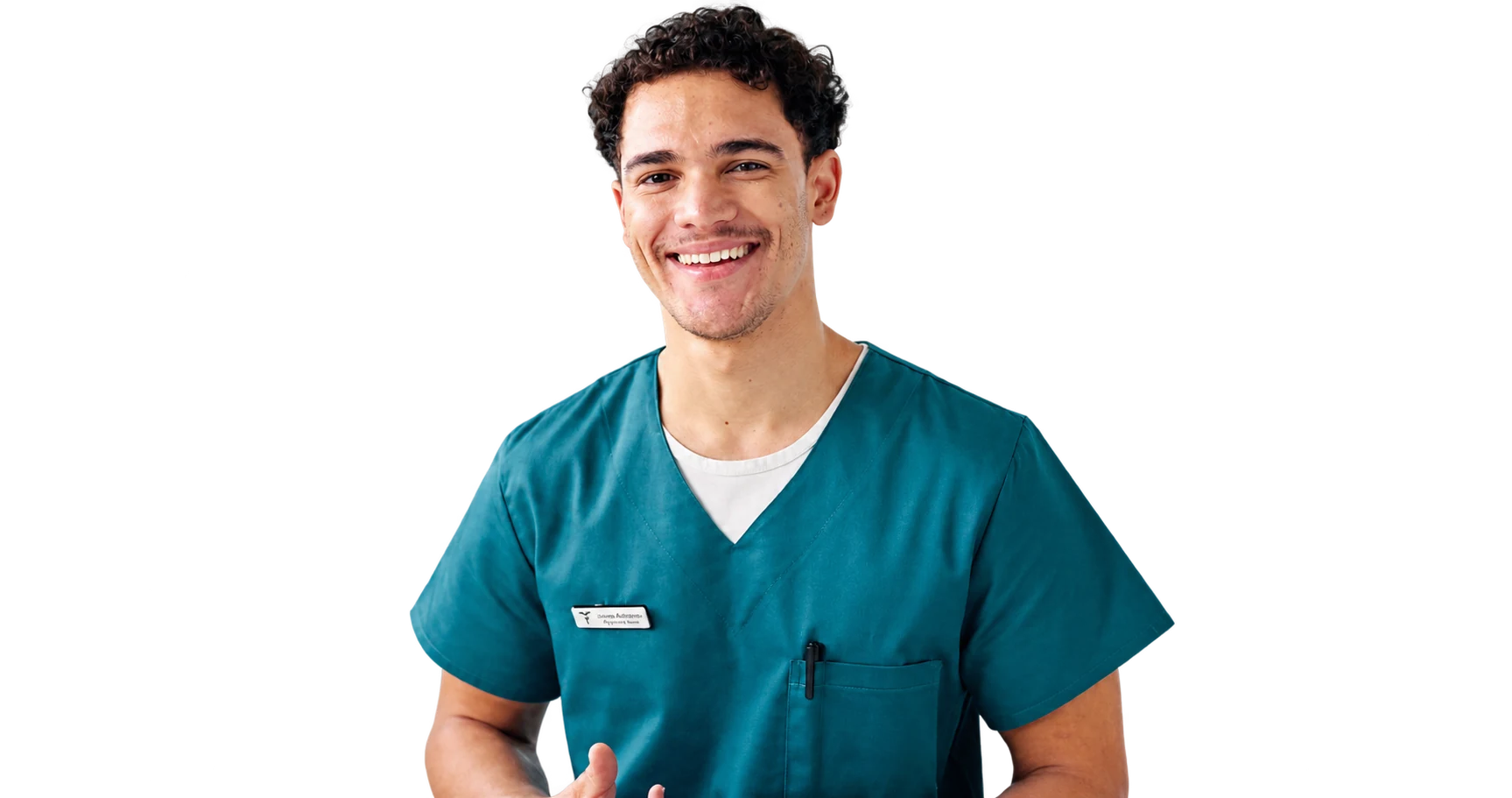
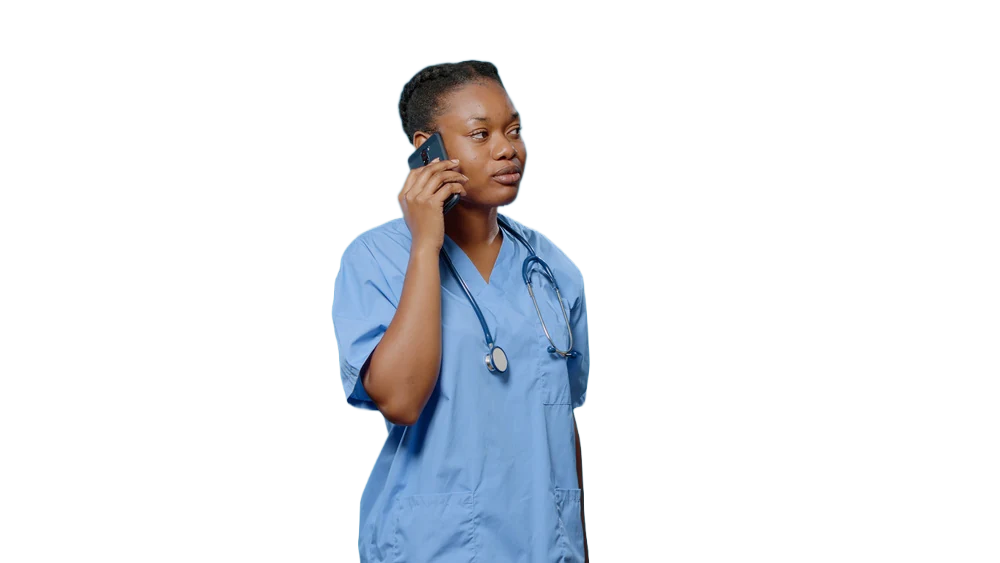
The nurse who
took care of you

The first responder
who comes
when you call

The person
who serves your
morning coffee

And you

Your neighbor
or someone
in your own family

A third of
households
fall short

34%

about 262,000 households

Across Wake, Durham, Orange, and Johnston counties, 34% of households earn less than it costs to live here. 9% live below the federal poverty line. Another 25% are ALICE households. They're working, but they still can't cover the basics.

Households below the ALICE threshold, by county

Poverty

ALICE

Wake

8%

23%

31%

Durham

10%

25%

35%

Orange

12%

29%

41%

Johnston

11%

32%

43%

Four counties

9%

25%

34%

0%

25%

50%

Source: United For ALICE, 2025 Report (data year 2023).

What does ALICE mean?

ALICE describes households earning above the federal poverty level who still can't afford basics like housing and child care.

AL

Asset Limited

IC

Income Constrained

E

Employed

One neighbor's morning

7:40

A.M.

Jade's alarm goes off long before sunrise.

She walks from her apartment in Raleigh to the bus stop in the dark and catches the 7:40. With transfers, it's about an hour to the clinic in Durham where she works.

Jade used to drive. Then the transmission went, and the repair quote was more than the car was worth. These days, the bus doesn't always run on time. If she misses a transfer, she waits another 15 to 45 minutes, and she doesn't have that time to spare.

The commute is only the start. Jade shares school drop-off and pick-up with a family member for her 5-year-old. On Tuesdays, Jade has a certification class after work.

Each piece of her day depends on the one before it. When one slips, the rest go with it.

Her paycheck is spoken for before it reaches her account. Rent comes first. After that, she decides which bills will have to wait.

She might have been at the hospital the last time you or a loved one needed care. Jade might be your neighbor, your family member, or your friend.

This story combines details our partners have shared, so no one person can be identified.

How does
United Way
Greater Triangle
help?

We invest in, convene, and amplify community-driven solutions so everyone in the Triangle can thrive.

Your gift supports local organizations helping working families in Wake, Durham, Orange, and Johnston counties stay stable and get ahead. We choose partners carefully and track what each investment accomplishes.

What can your gift do?

$50

helps a young person get the support to succeed in school

$100

helps a family find or stay in a safe, affordable home

$200

helps a child start kindergarten ready to learn

$500

helps five families find or stay in safe, affordable homes

$1,000

helps more than 30 children and adults build the reading skills they need

Give for a thriving Triangle

Your gift before December 31 helps neighbors
across the Triangle get ahead.